
Karolina Lolo’s Distressed Green Painted Stamped Chest
Karolina Lolo posted this lovely picture on facebook of her new furniture makeover of 2018. The piece looks so well done, it could have been an authentic piece from a old house or chateau.
“I don’t use candle wax in distressing:) more sand paper and spatula:) Images are from Prima stamps.”
Karolina lives in Poznan, Poland. Follow Karolina Lolo on Lolo’s Craft
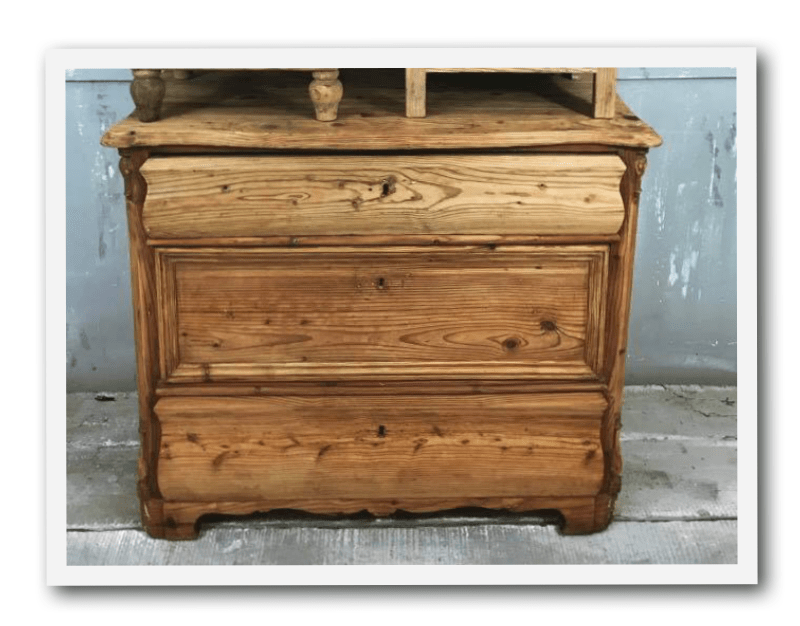
The piece in it’s natural state
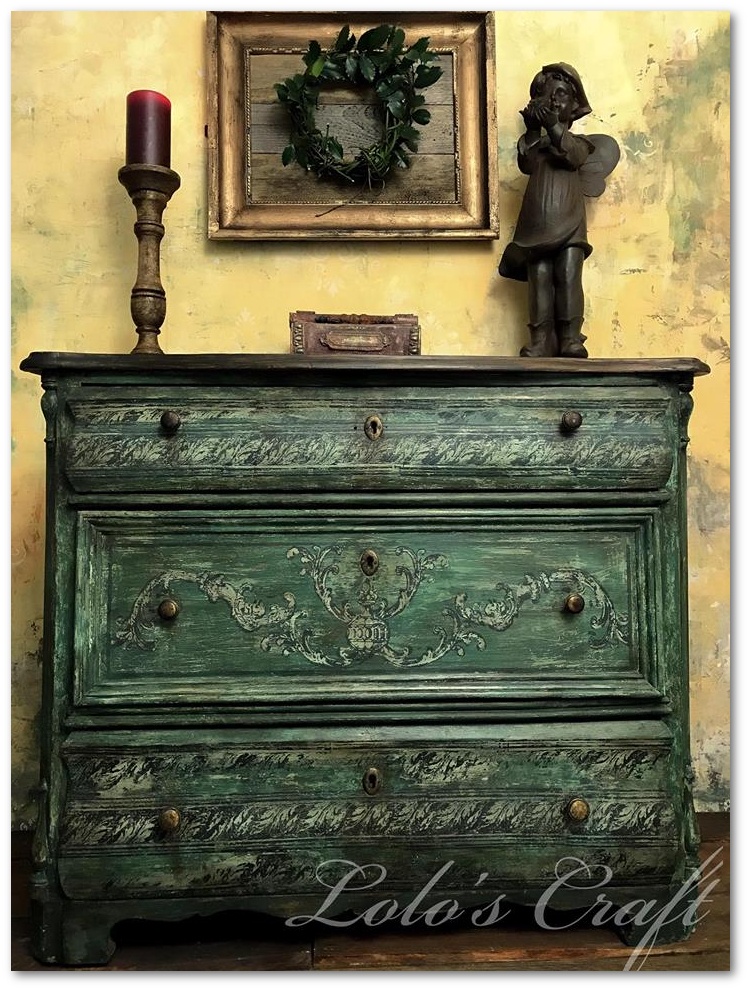
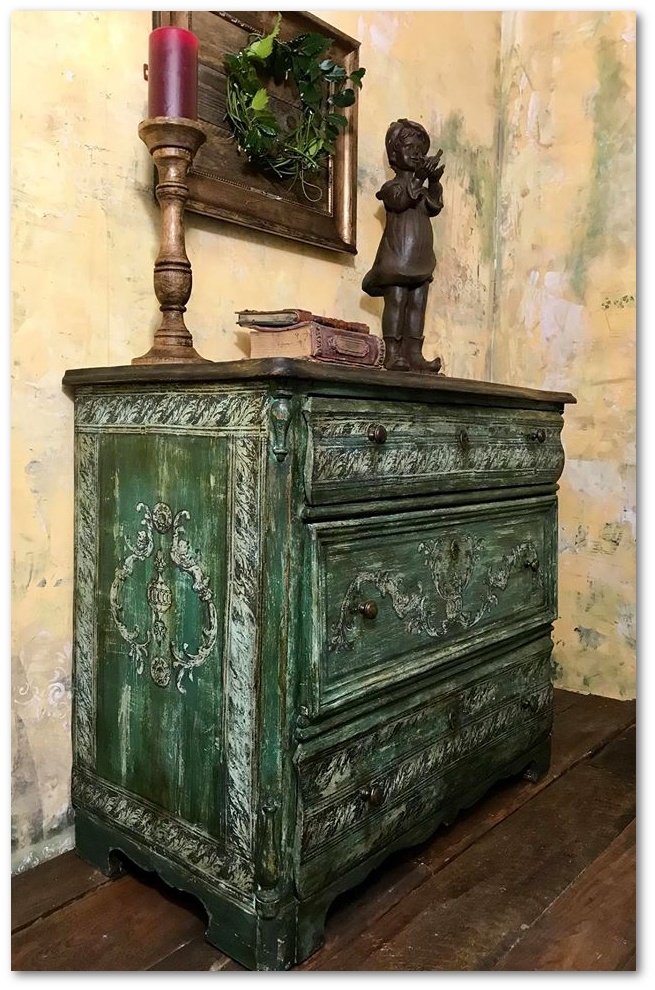
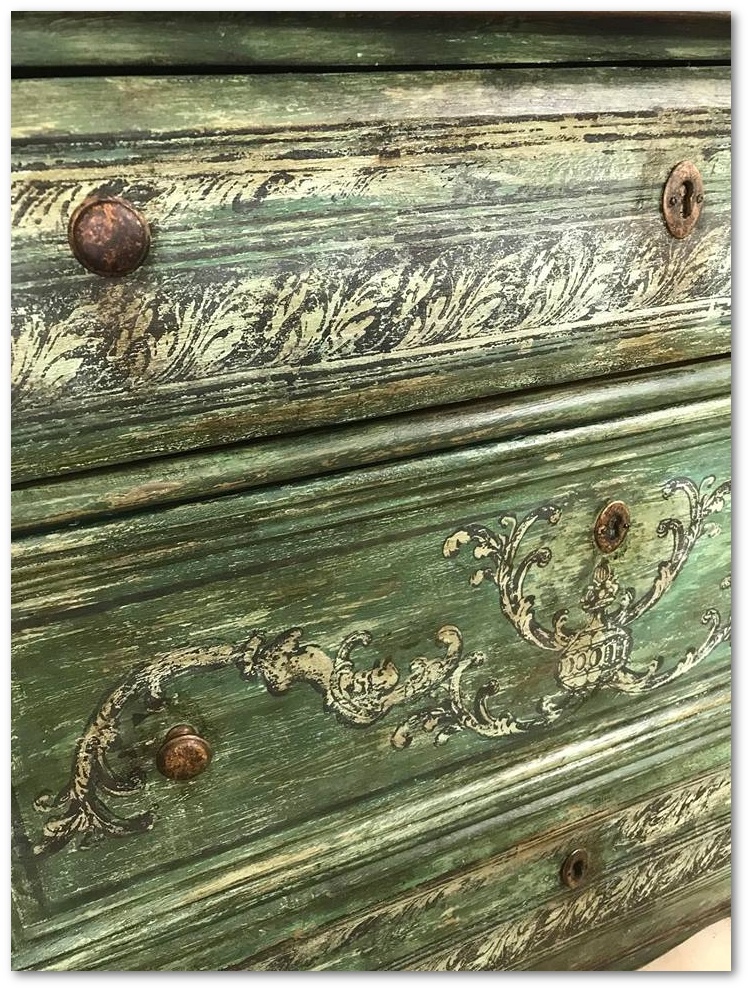
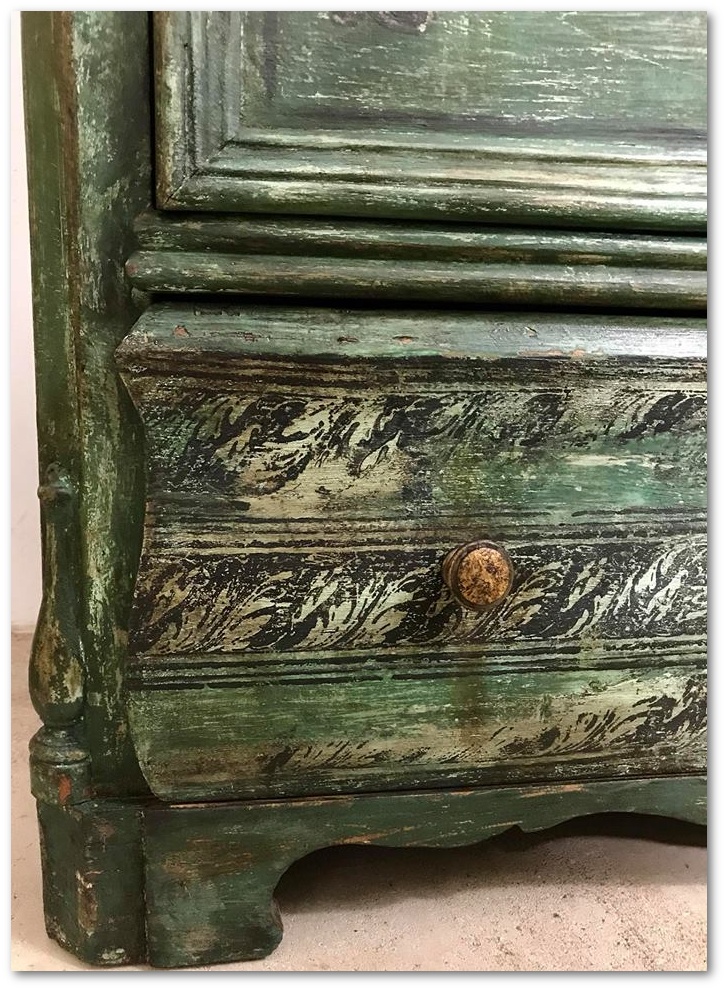
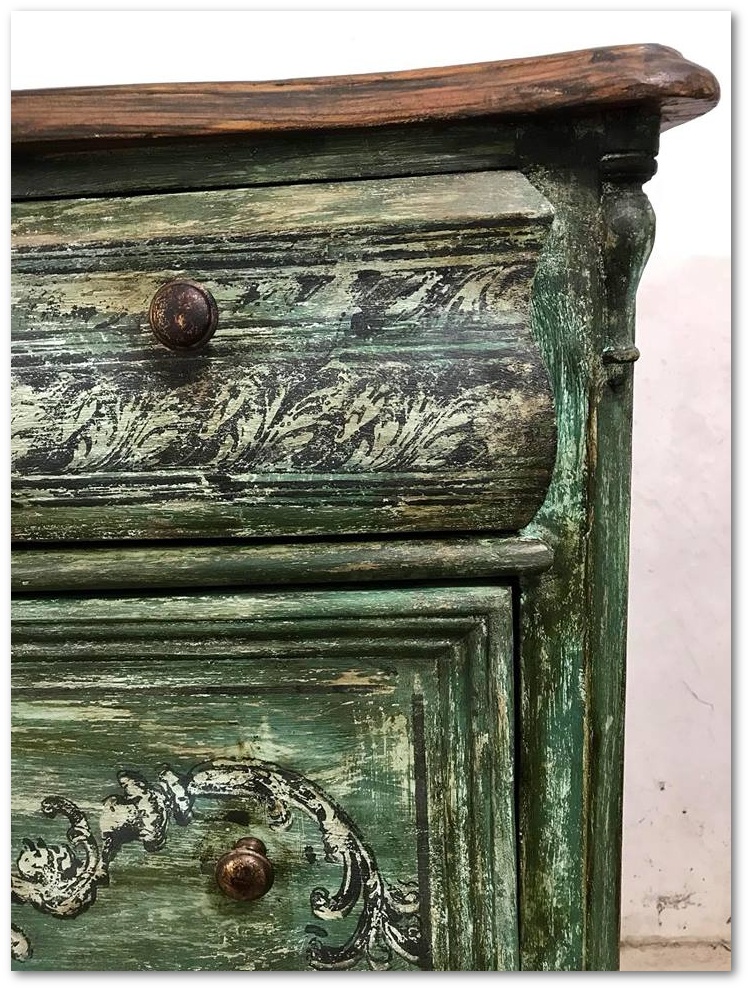
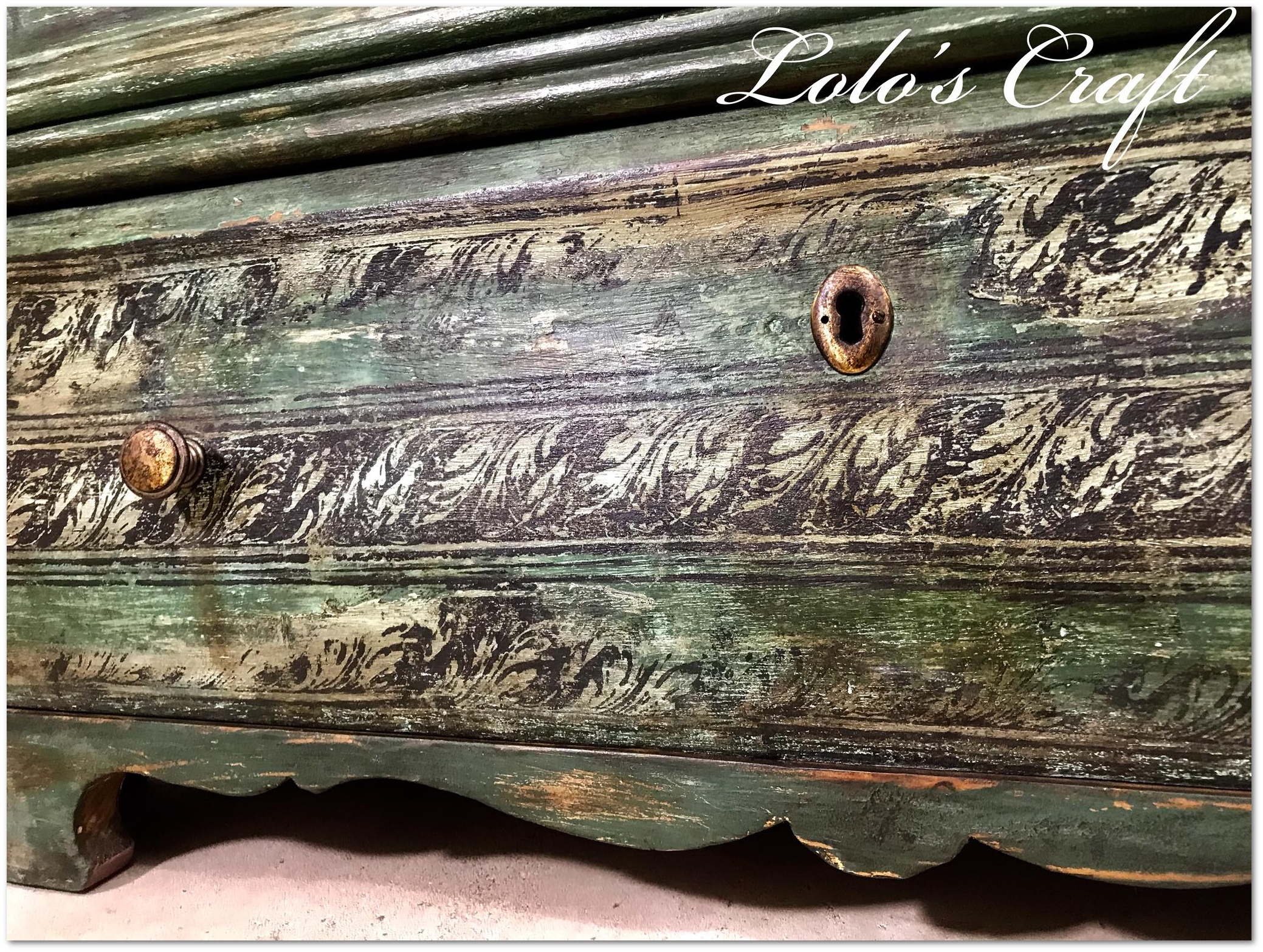
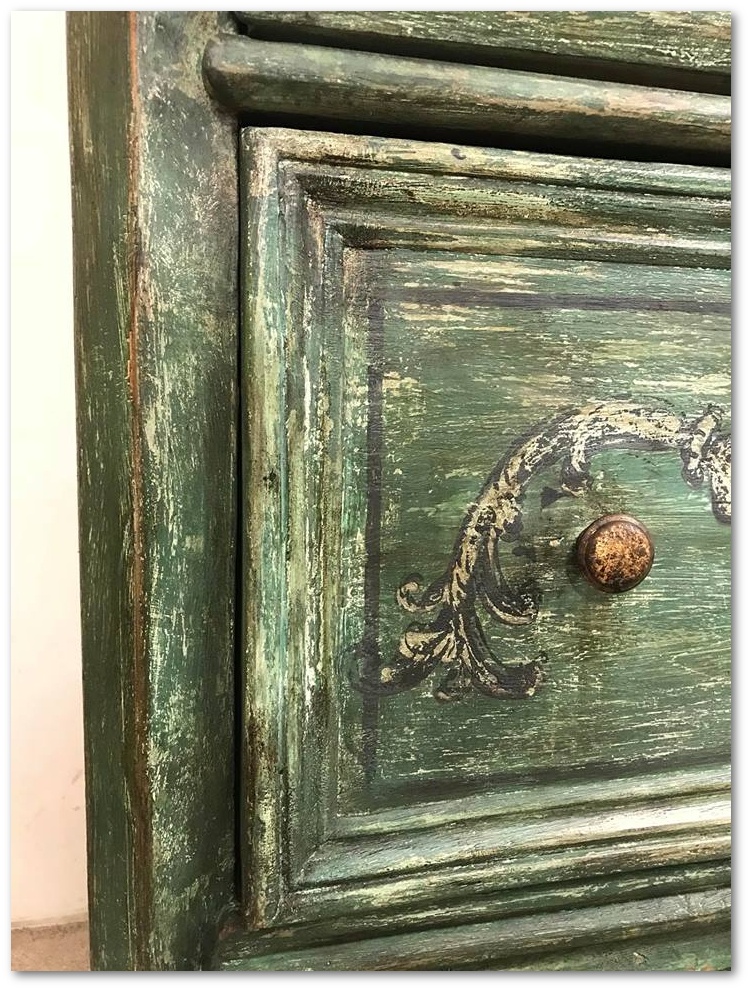
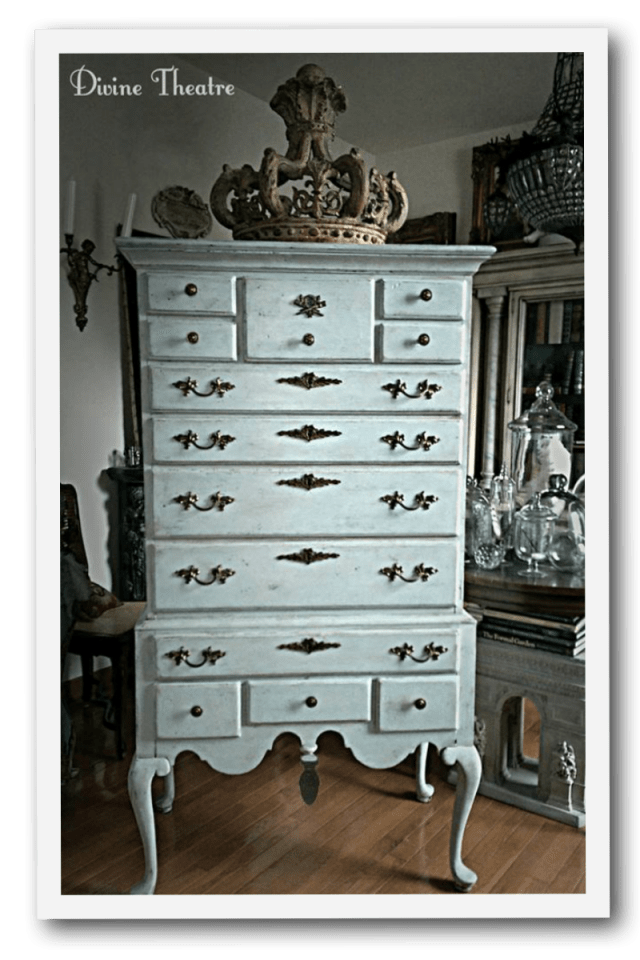
The finished chest

Question: Do You Keep The Original Hardware On Vintage French Furniture?
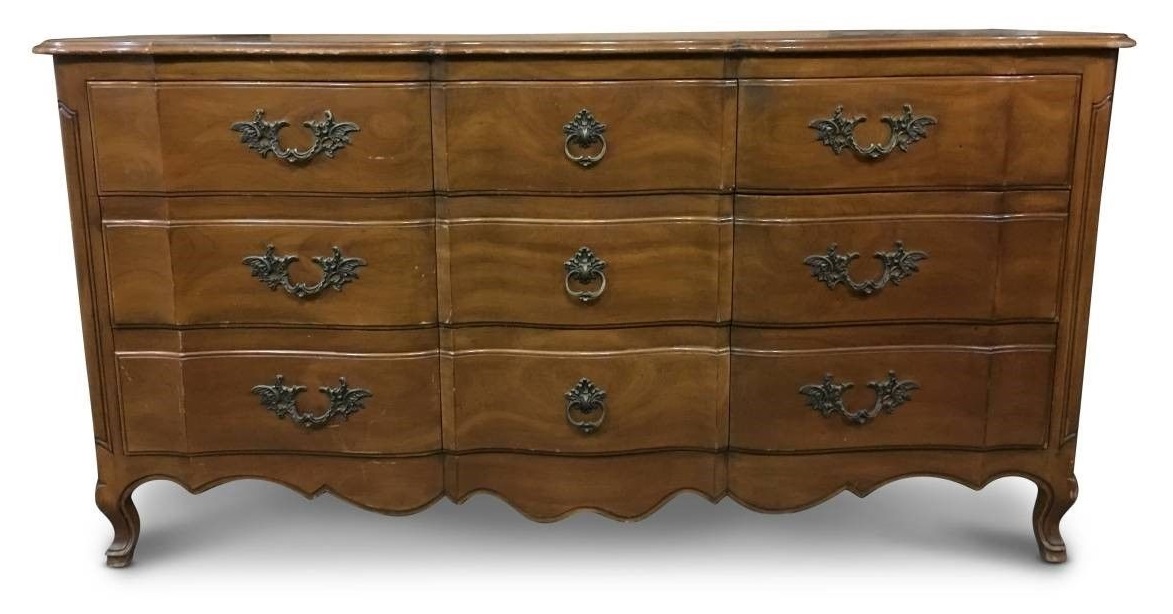
French Provincial Dresser by John Witticomb By Ebay Seller htala
Nat Black Do you typically leave the French provincial handles on your finished piece or do you try to change them for a more modern look?
- Leigh Carpenter KEEP!
- Andrea Jackson ALWAYS KEEP. It really helps sell the piece
- Sandy Merritt Gentry Keep!
- Christie Wanamaker Keep
- Sara Arendt-Jaynes Definitely keep them. French Provincials tend to look ‘off’ when they are changed to a different style. I think I have seen one, maybe two, that looked good with something else in all my years of doing this.
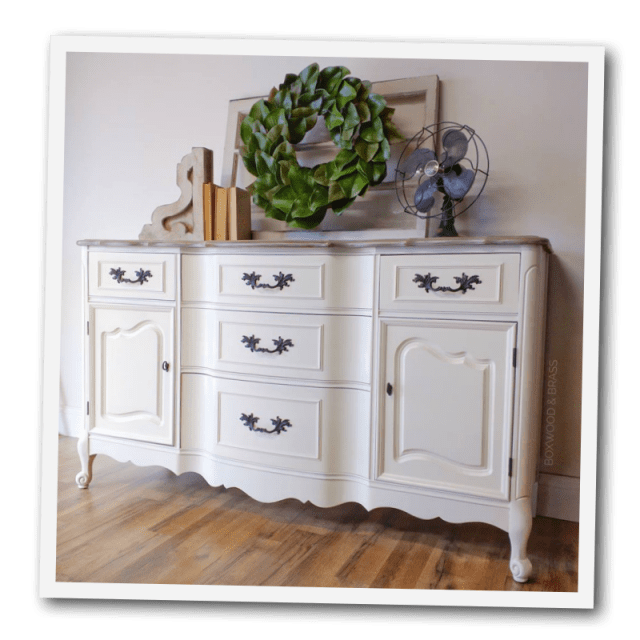
Julia Harrison‘s French Piece In White (Here’s one where I kept them.)
- Julia Harrison I usually keep, but I think changing them can be pretty too. Here’s one where I kept them.
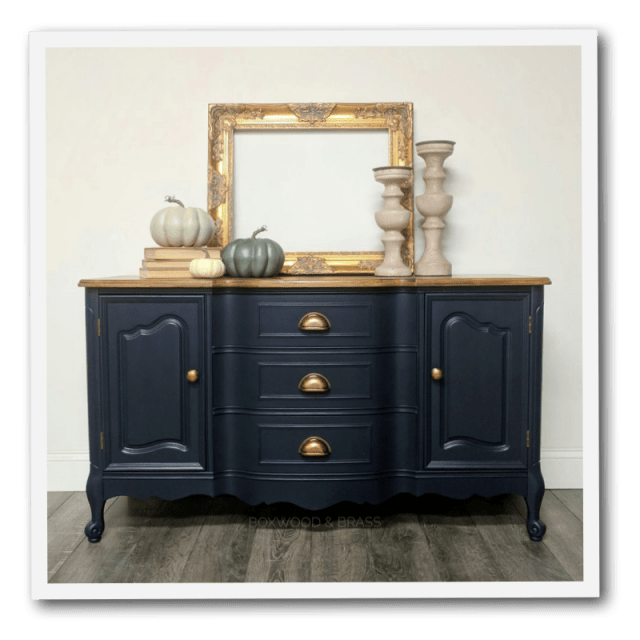
Julia Harrison‘s French Piece Where She Changed The Handles
- Kade Johnson Leave them
- Jeannette Robinson Keep. If you ever do change, sell the rest on EBay or Etsy. They bring good money and that is where I look when I have a piece missing one.
- Dannielle Carver Leave them
- Jeanette Birks Keep just change color
- Connie Baumeister leave them. if I paint white I paint them white and leave them on then distress all.
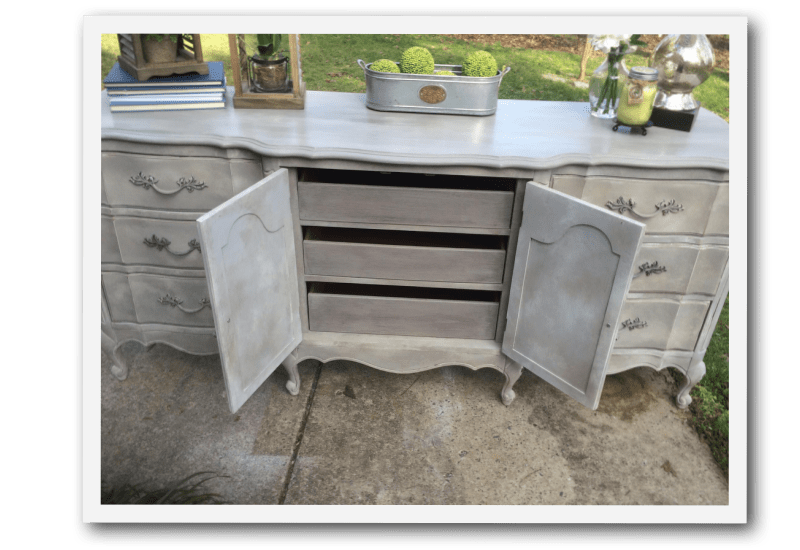
Marnie Owens‘s French Chest.
“ It is a base coat of cream (home made chalk paint using plaster of paris, but very close in color to Annie Sloan Old White) with the cream, Annie Sloan French Linen and Paris Grey over the top. I just kind of blended the colors together as I was painting to give it more variation. I then sanded to distress some areas and waxed it with Annie Sloan clear wax.“
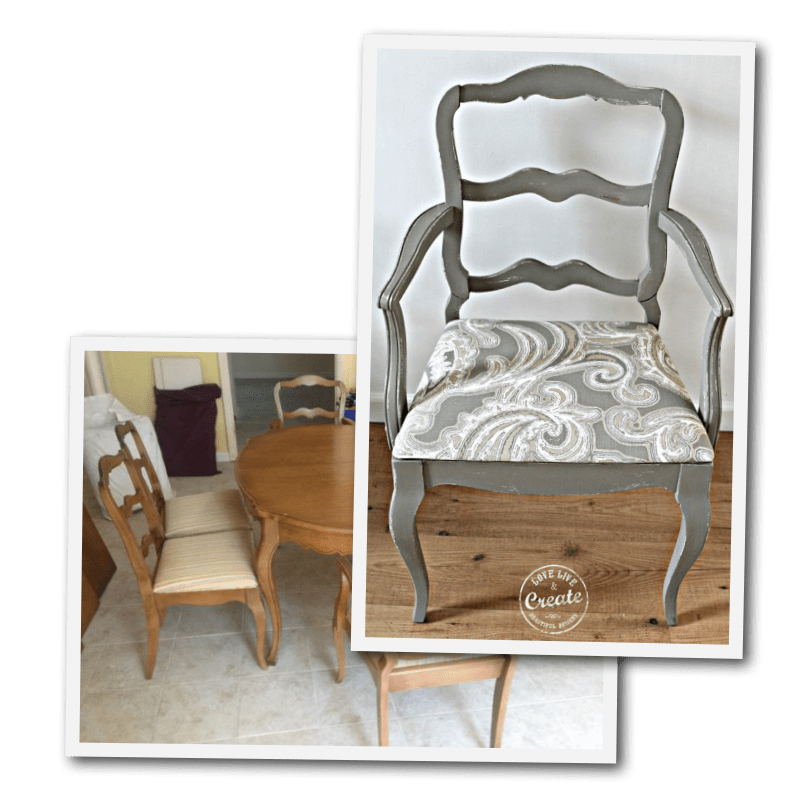
Joanna Torija– I just got this awesome dining set – table and 6 chairs. I have decided to painted in French Linen ASCP. See the before and after. Follow Joanna at Jarful House
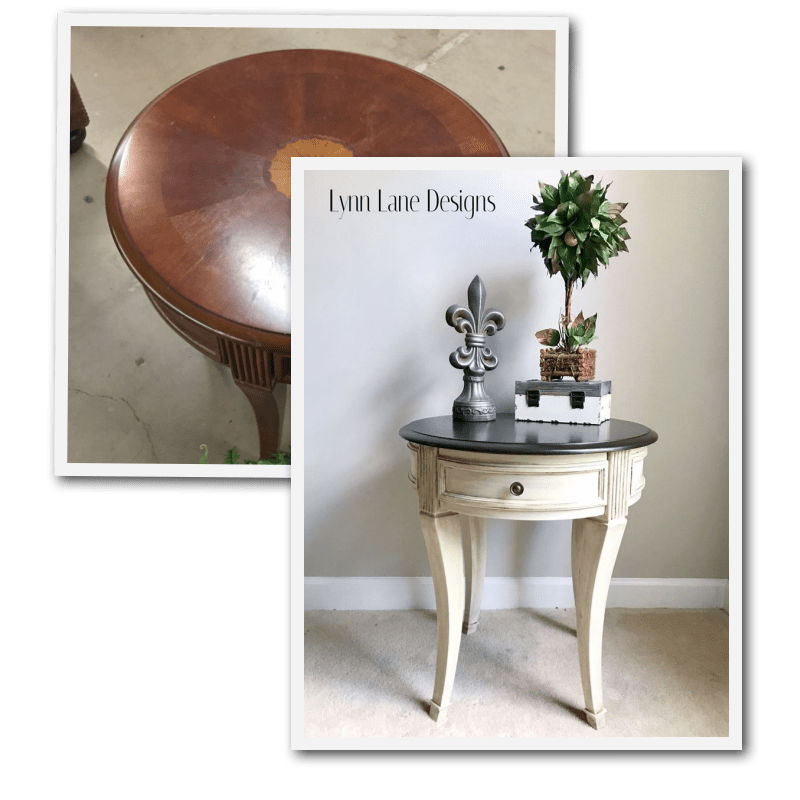
Jennifer Legreca Motley‘s Table Makeover
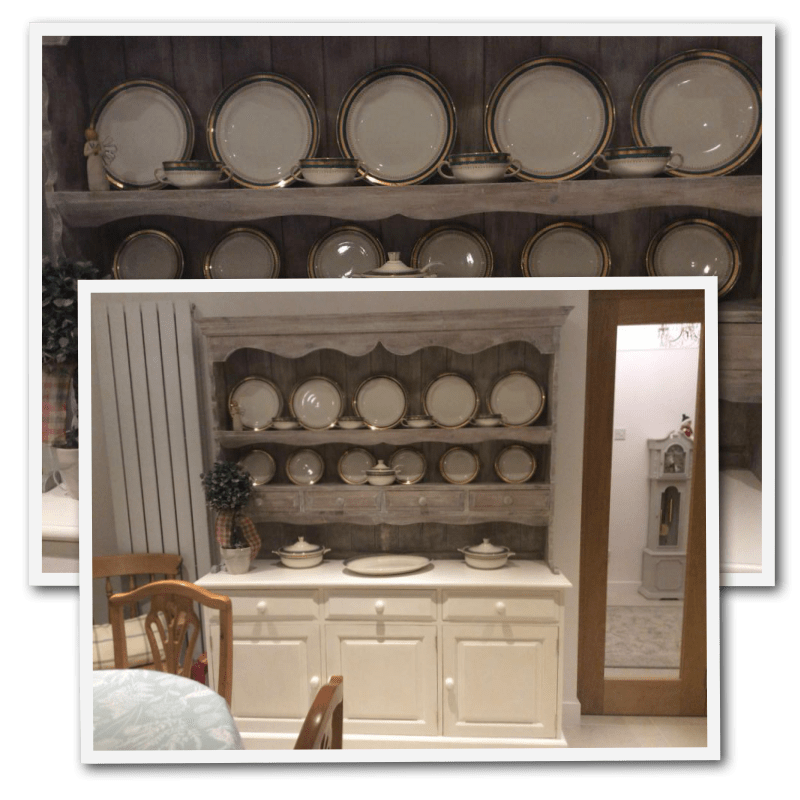
Dianne Banks– I decided to give my pine waxed dresser a facelift. The bottom took ages trying to get rid of wax and then a lot of orange bleeding through the chalk paint. So I thought I would put a primer on the top section and then chalk paint it. One quick coat of primer and this is the result.
Find great french provincial hardware in LOTS On ebay

Andie Pauly’s English To French Highboy Transformation
 Andie Pauly
I changed the vernacular from English to French because someone told me I couldn’t. lol. I changed all the hardware and added escutcheons. I also filled in the shell detail with wood putty. I used Amy Howard Cartouche as the base, then Seashell by Vintage Market, then French Blue by Amy Howard. The next step is a dark grey drybrushing. Then I sanded and waxed, first with clear, then dark wax.
- Follow Andie’s Divine Theatre Facebook page.
- Follow her blog at divinetheatre.blogspot.com/
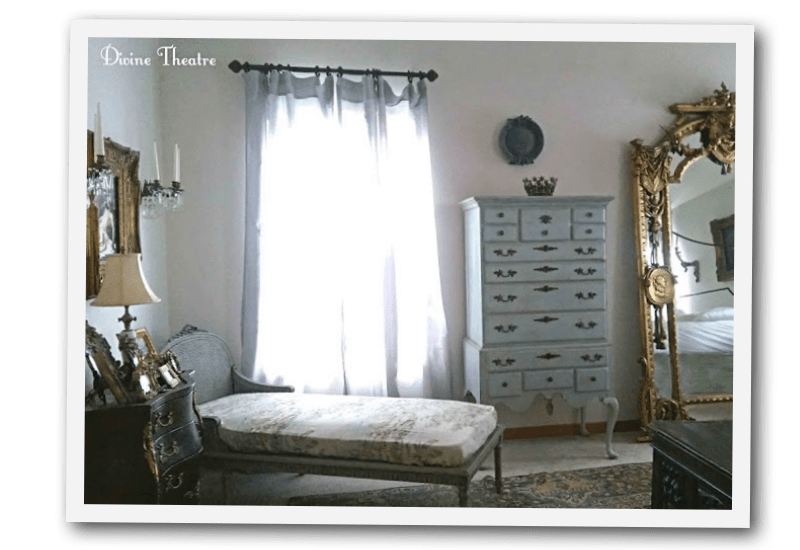
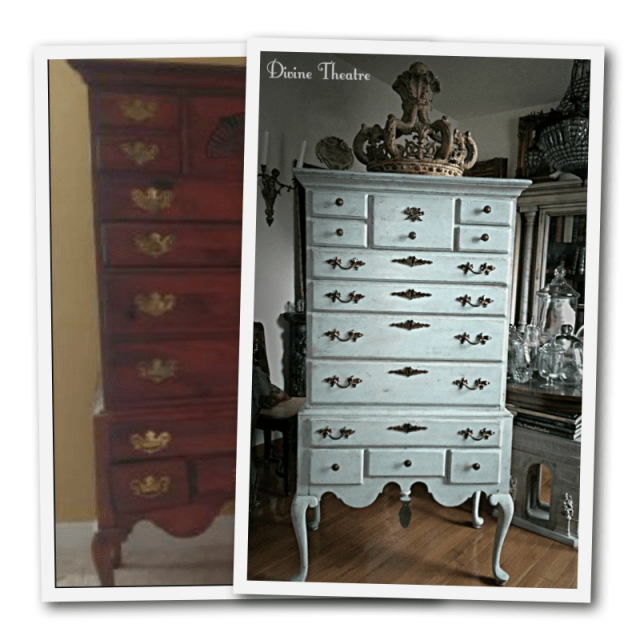
Before And After

Andie Pauly via Instagram
Handsome Husband laughs at me because I enjoy washing the dishes but wouldn’t you? Getting ready to put dishes away after the party.
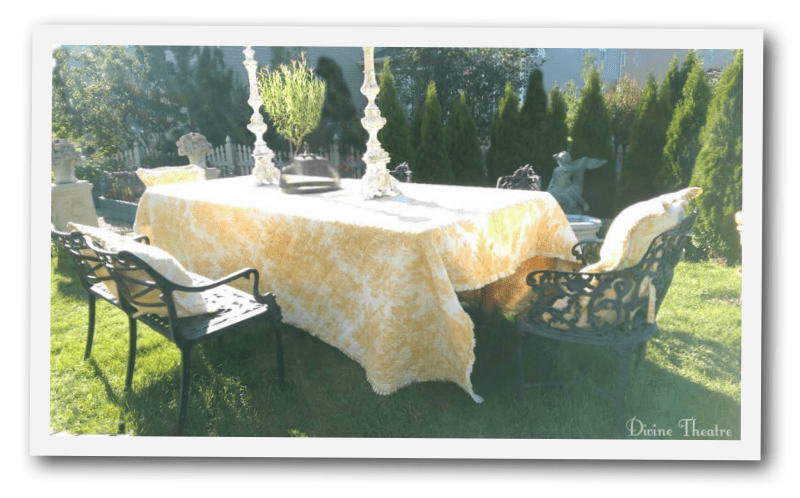
Breakfast in the gardens.
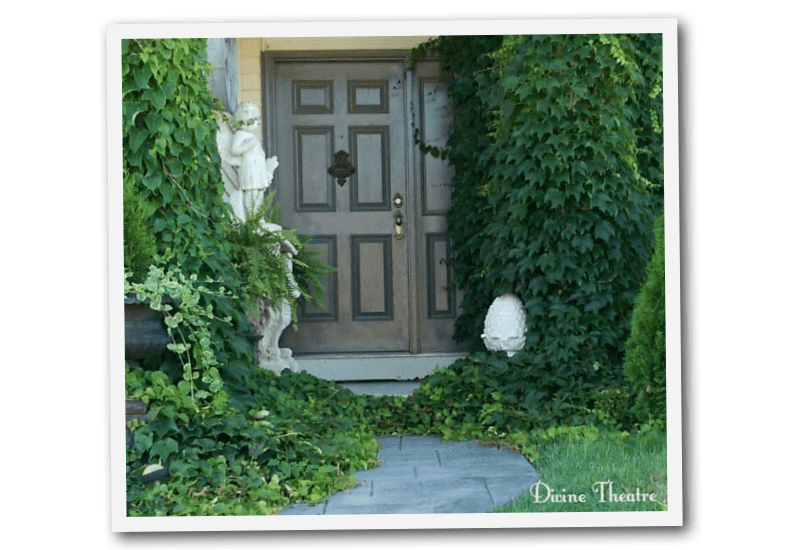
Entry in Summer. Everyone told me not to plant ivy. I am so glad I didn’t listen!

Delores…
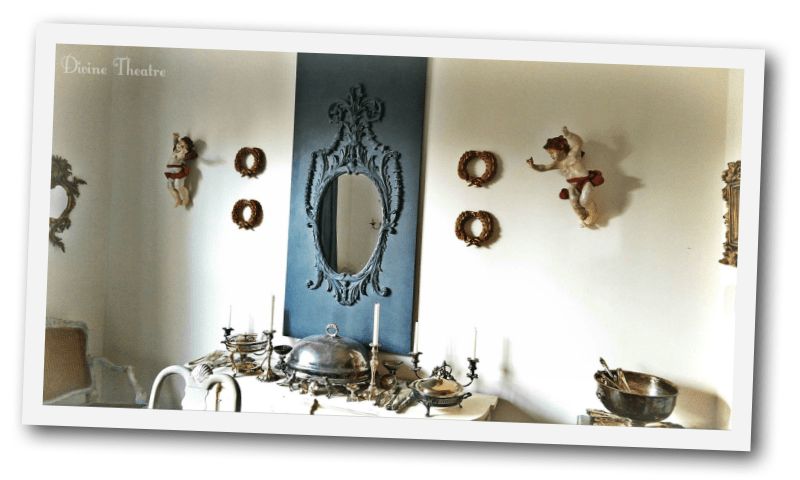
The Dining Room

How To Avoid White Painted Furniture Yellowing Over Time With General Finishes Paint Products – Christine Adams
 Christine Adams
A TUTORIAL ON WATER BASED TOP COATS YELLOWING OVER BRIGHT WHITE PAINT
Many you may have noticed that the labels on our bright white paints, Snow White Milk Paint and Chalk White Chalk Style Paint now carry a warning label regarding the yellowing of topcoats. All bright white paint will yellow slightly with time, with or without topcoat. Water-based topcoat is reactive and more likely to draw out substances in the wood such as tannins or unknown substances in existing finishes causing the topcoat to yellow. This is an industry-wide issue. Don’t carry the cost of white paint yourself– pass the cost on to the consumer who wants it with a fair upcharge. White paints, even if they did not yellow, require more coats to achieve coverage.
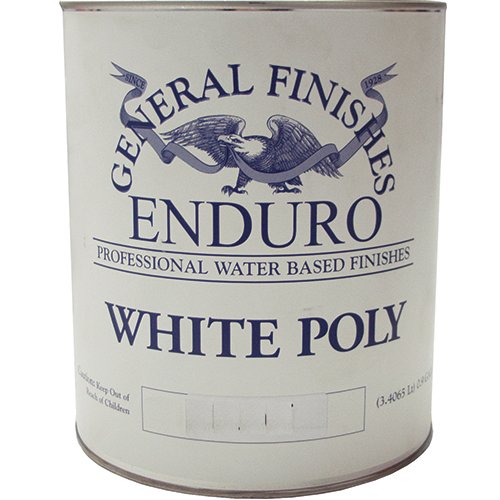 General Finishes background was originally on the professional side, and the incidences of yellowing topcoat over white paint were almost nil, and when our sprayable professional finish, Enduro White Poly, is used, there have been no incidences. But as the use of our paints has increased in the up-cycling and furniture refresh markets, we have heard more reports of our topcoat yellowing. Our response was to teach about prepping, testing you finish schedule and finally creating Stain Blocker, our stain blocking primer, but this is not enough. Just as we advocate prepping all finishes, we are now advocating NOT using a clear water base topcoat over BRIGHT WHITE paint.
General Finishes is in the process of developing a brushable version of our professional Enduro White Poly (available only in gallons), but that will take some time and rigorous testing before we can release the product. Here is what you should know to protect yourself and also some immediate suggestions to decrease chances of yellowing.
There is no way to reliably predict yellowing ahead of time. Sometimes yellowing occurs, sometimes it does not. Every existing finish is different and we rarely know the finishing provenance on an existing piece. Every tree is different and every piece of wood is unique. Wood can bleed tannins immediately after the topcoat dries or months later with a change in temperature that comes with a change in seasons. Oak, pine, mahogany, and Douglass Fur are particularly prone to bleed-through.
As is true of most “water-white” topcoats, our High Performance Water-Based topcoat is a clear drying finish over a non-reactive substrate such as plastic. When paint is used over something as unpredictable as wood, all bets are off. Yellowing can be caused by the top coat activating the tannins in raw wood or aniline dyes, stains or contaminants in a pre-existing finish. This is most evident when using BRIGHT WHITE paint and most prevalent in the sculpted details of furniture, where the topcoat can collect, intensifying the color change to an unacceptable level.
To add to this issue, all bright white paint will yellow slightly with time, with or without topcoat. You have probably tried to touch up white woodwork in your home after several and noticed that the new paint is brighter.
Summary:
• Whites have a lower “hide” quality and are more transparent than most other colors. Most bright whites require additional coats to achieve the desired color and minimize color variation. This can increase cost of paint finishing. Always include a clause in your contracts addressing the need for additional coats to achieve coverage.
• Bright white paints can yellow over time with or without topcoat.
• The underlying finish or wood species can affect the final color of light paint.
• Details and inside corners are difficult to cover with any paint color, but this property tends to be more noticeable with whites. This is a naturally occurring phenomenon in paint application and does not necessarily constitute a defect in the paint finish or your technique.
TIPS FOR PROTECTING YOURSELF AND PREVENTING YELLOWING
1. Use a disclaimer in your contracts or recommend a softer white such as Antique White or Linen. Upcharge for the extra coats needed and ever guarantee a white finish over a piece that you cannot trace the provenance on. Here is a suggestion: Terms of Agreement and Warranties: ________ (Initials) I have been informed that more coats are required when painting with bright whites, reds, greens or yellow. I understand that white paint can yellow over time and that water based topcoats can occasionally react with the substrate or existing finish under white paints causing yellowing, even is a stain blocking primer is used.
2. If it is a low use project, use a premium white paint that is self-sealing and does not require a topcoat. A clear top coat is not required on our Milk Paint for increased durability, as it is a self-sealing, exterior rated coating with very high durability and performance properties. However, top coats provide a smoother surface that is easier to clean and boost durability for high use projects such as table tops and kitchen cabinets.
3. Get a spray gun and use a professional “white coat” such as our Enduro White Poly. It is a white paint with “increased topcoat properties”, is a stand-alone finish when 3 coats are applied and does not require sealing with a topcoat.
4. If you are still brushing, try adding 10-15% of the paint you are using to the first or second application of topcoat. The last layer of topcoat should not have paint in it, to maintain durability. We have had good reports of this technique from customers but have not tested in the lab over a long period of time.
5. Always test your project’s entire finishing schedule (from cleaning to topcoat) on an inside door or a more hidden area of the piece. This does not help if the yellowing occurs later but you will at least know if there is an immediate problem.
6. Always apply a stain blocking primer under white or light-colored paint such GF Stain Blocker or a shellac based primer. Always let any primer dry overnight. Some of the primers we have seen suggest a 3 hour dry time and that is not enough.
7. If you are working on period pieces such as a 1940’s serpentine mahogany desk which were often finished in stain containing aniline dyes that cast a pinkish bleed through under light paint, stay away from light colors. Not every piece of furniture is suitable for up-cycling with a light paint color. Pine, Mahogany, and furniture of the 1940’s and 50’s are a red flag.
8. Last, not all manufacturer’s topcoats are compatible with other finishes and may react with a color change. Always follow best practices by not rushing, and testing to your satisfaction first.
Hope this helps and wish us luck on our next paint endeavor- Chris

What Type of Paint Works Best For Painting Outdoor Furniture?
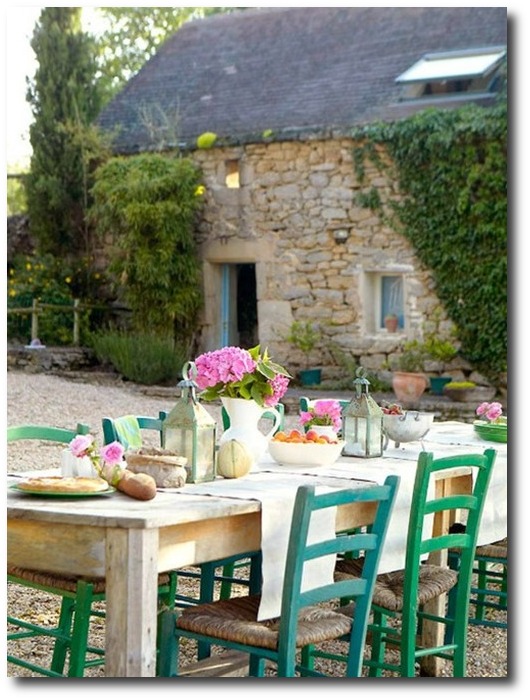
French Painted Furniture – Safavieh
We have all come across wicker sets second hand that could use a new coat of paint, or a wooden patio set that has seen better days. Why buy new, when you can fix up something vintage or used?
Here, we’ll provide recommendations for the best paint options out there for your outdoor furniture painting needs.
Consider bringing a swatch of your exterior house paint or that of your outdoor furniture fabric along with you when deciding on color choices. With so many color choices available, it is nice to be able to get the exact shade of the hue you are working with, rather than just guessing.
Consider the theme of your surroundings– Equally important is the consideration of floral colors that surround the furniture. What colors are in the natural landscape of flowers and other vegetation? Do you have a stone wall or patio? You want your outdoor furniture to blend nicely with the environment in which it sits, so consider the many elements of that environment when picking your paint color.
Paint when it is dry- Paint needs time to dry and will not adhere to surfaces that are not dry. Don’t consider painting your project on a rainy day, but rather wait for a dry warm day. If you plan on painting in the winter or the spring when it is cold, or rainy, move your furniture in the garage, and use a space heater to warm up the room.
Clean your furniture first- Paint won’t adhere very well to dirty or rough surfaces, so be sure to clean your furniture well before spraying or painting your furniture.
When working with left over paint, mix it in one container– Mixing multiple cans of the same color of paint into a larger container, such as a five-gallon bucket, will help ensure a uniform color is applied to your outdoor furniture collection.
One important thing to be aware of when considering the type of paint you’ll use on your outdoor furniture is that indoor and outdoor paints are different from each other. Moisture from the outdoors can cause paint to chip and peel so it is best to choose something formulated for the outdoors.
Enamel Paint
Enamel paint is resistant to peeling and is an example of the type of paint you want to buy for outdoor furniture. As enamel paint dries, it tends to be harder. This means that it is less impacted by moisture from rain, or snow. Enamel paint is often oil-based, but you can also find water-based enamel paints.
All-Acrylic Paints – “100 percent acrylic latex” on the label is a paint that remains flexible, breathable, and colorfast far longer than paints made with vinyl resins or acrylic blends. It also adheres well to most surfaces allowing you to use it on wood, vinyl, metal, and masonry.
Water-Based vs. Oil-Based– Water-based paints are flexible enough to expand and contract with the change of the weather. In general, they are breathable, so they won’t trap moisture and crack or peel. Oil-based paints offer better adhesion and stain blocking, so they are better for chalky surfaces, stained surfaces, bleeding woods (tannin or sap) and metals that rust.
Krylon Paints
To make the process far easier, Good Housekeeping recommends the Krylon brand, which can be found at Ace Hardware or online at Amazon.
Krylon H20 Latex option is environmentally friendly, low-odor, and is water-based so it cleans up easily when you’re done! The Fusion For Plastic® series allows you to spray paint plastic pieces without primer or prep. The plastic series can also be used outdoors.
Sherwin Williams Duration Acrylic is self-priming, mildew-resistant, and is also resistant to blistering and peeling. PermaLast technology enables the paint to last far longer than other outdoor paints. There are also over 1,500 beautiful colors from which to choose.
Best Paints According To Consumer Reports– Sherwin-Williams’ Duration, in satin and semigloss finishes, took the top rating in the rankings, and finished No. 2 in ratings of flat paints, behind California Paints’ Fres-Coat Velvet Flat according to Consumer Reports. They say this brand still looks impressive after the equivalent of nine years. Glidden’s Premium flat and satin paints are two of “several” finishes that performed almost as well for a markedly lower price. Read more here
Instead of spending a bunch of money buying new outdoor furniture, consider just giving it a new coat of paint. You’ll save money and your furniture will look almost as good as new!
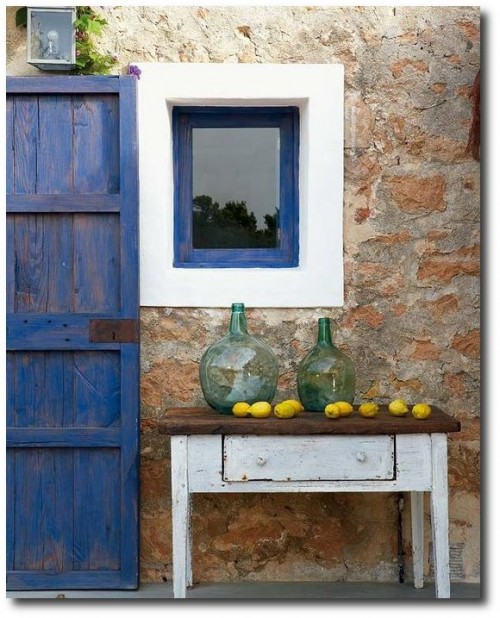 French Provence Styled Outdoor Furniture- etxekodeco.blogspot.com.es
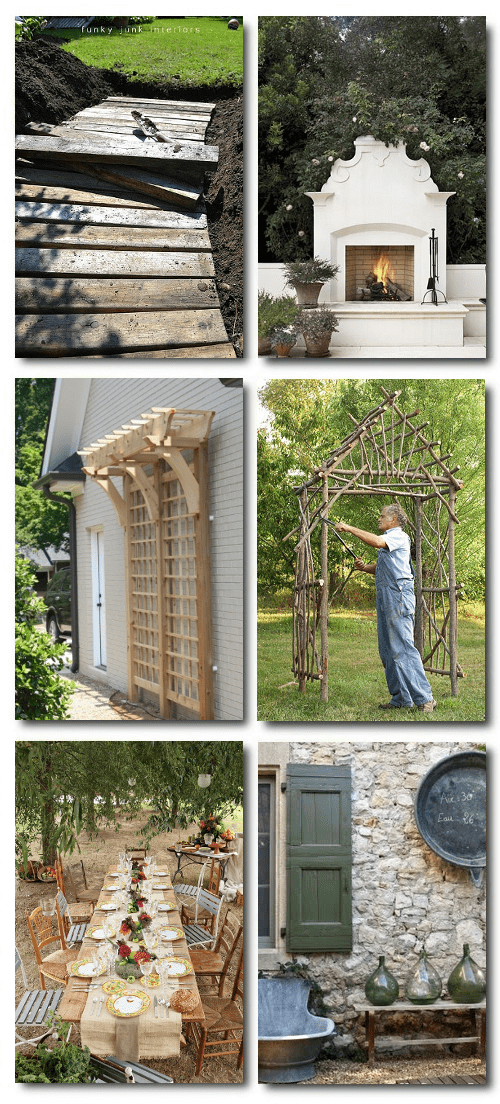
Pallet wood walkway funkyjunkinteriors.blogspot.com, Outdoor Fireplace fergusonshamamian.com,Wood Trellis playingsublimely.com, Step by step instructions twig arbor, bhg.com, Provence, stone building with wood shutters and wine jugs, heartinprovence.blogspot.com
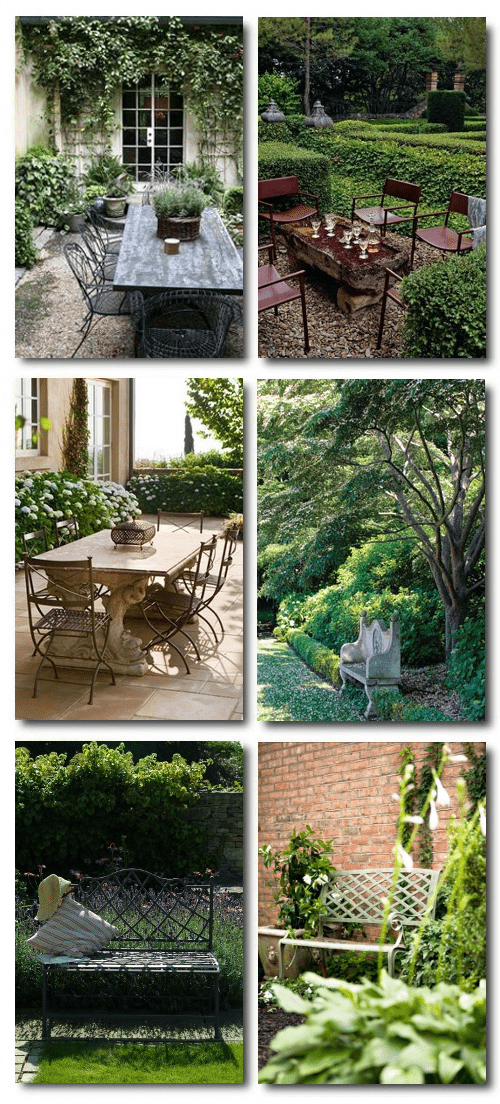
Provence Garden Chairs designed by Alain David Idoux, Iron Patio Uploaded on Pinterest,Kousa dogwood antique garden bench hamptons-magazine.com, Garden Bench camelandyak.co.uk,Painted Garden Bench homebunch.com,
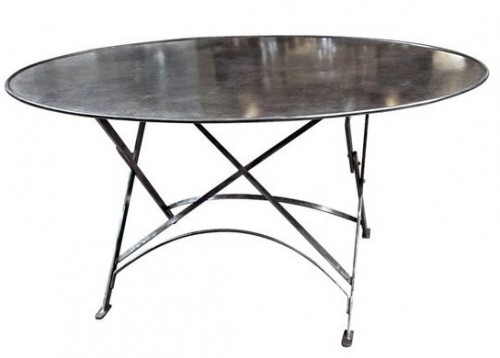
Folding French Metal Tables Outdoor/Indoor- 1stdibs.com
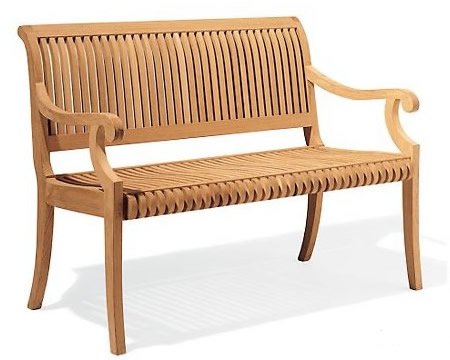
Wood luxurious 5 Feet Bench $417 On Amazon
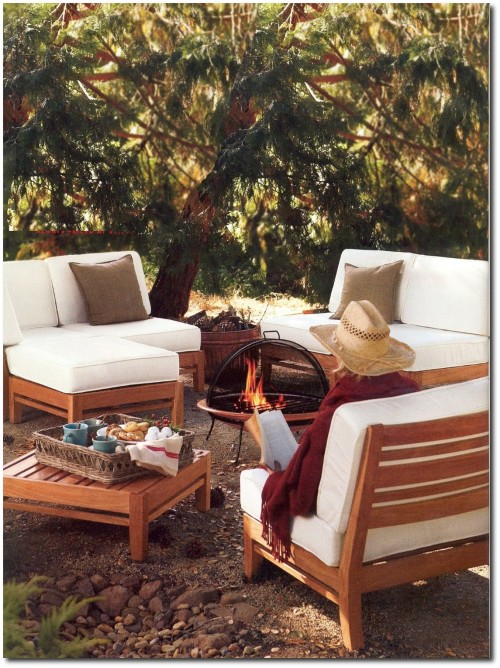
Teak Wood Luxurious 7pc Sectional Sofa Set From Teak Station

Iron Furniture Featured In Veranda Magazine- linenandlavender.net
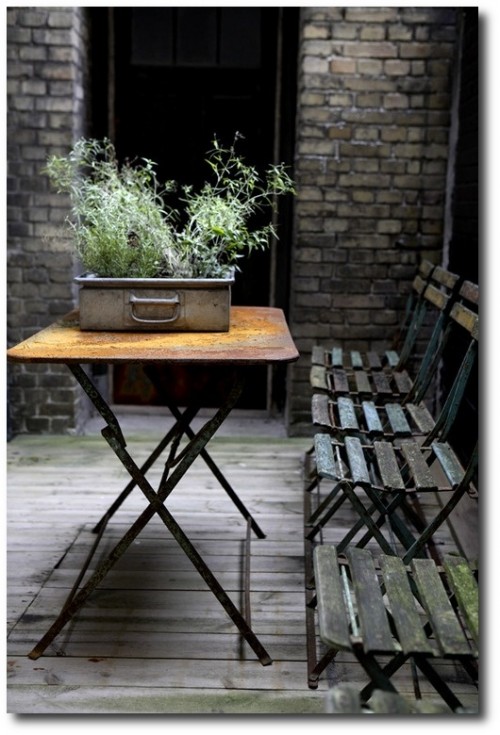
Folding Patio Furniture- thelittlefrenchbullblog.tumblr.com
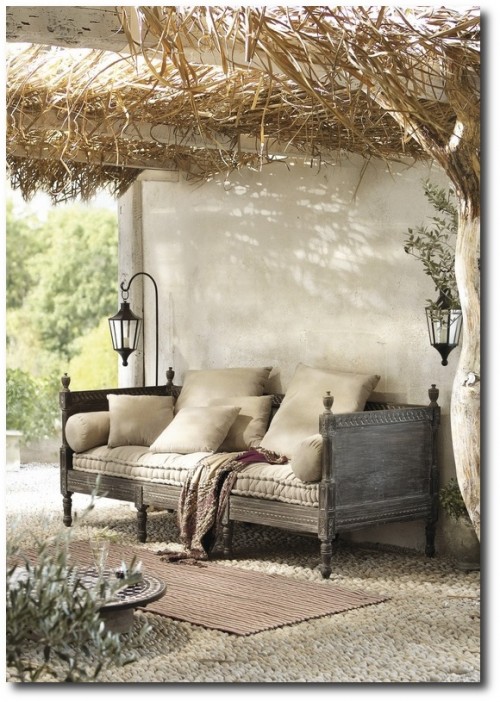
Al fresco with olive trees-gypsypurplehome.tumblr.com

Painted Patio Furniture From thefrenchprovincialfurniture.com
 Outdoor Patio Furniture With Slipcovers-www.tumblr.com
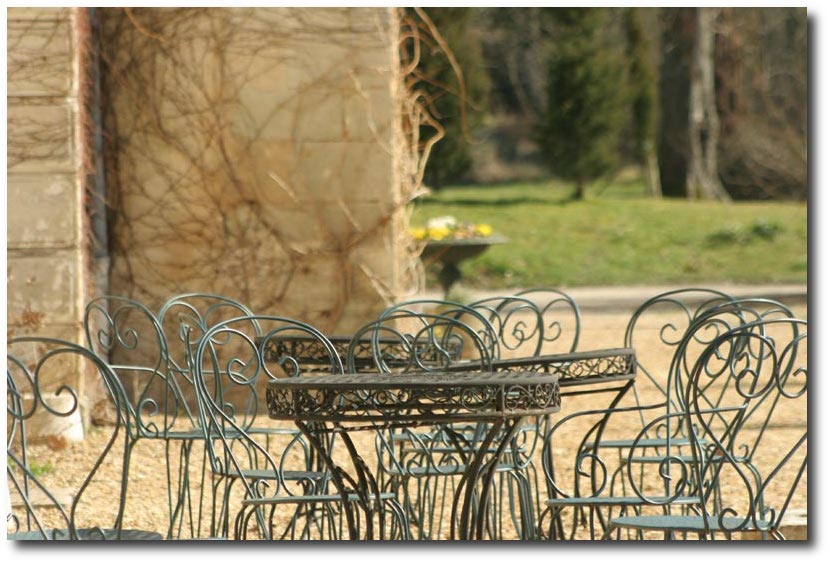
Classic French Interiors – classic-french-chateaux.co.uk/
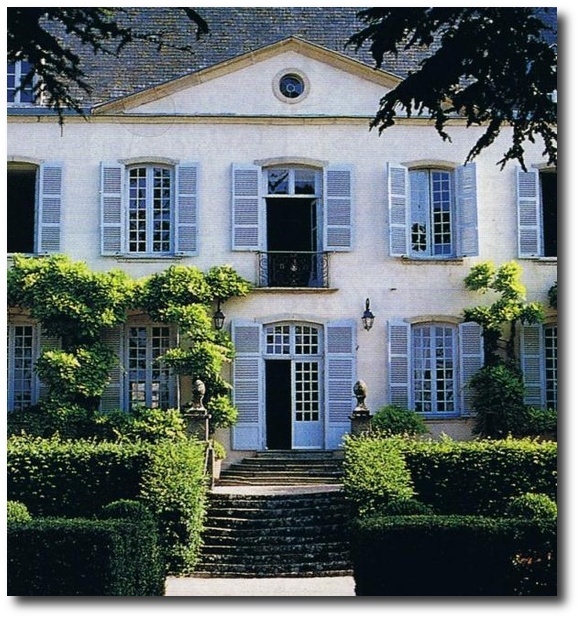
Found on gardenhomeandparty.com
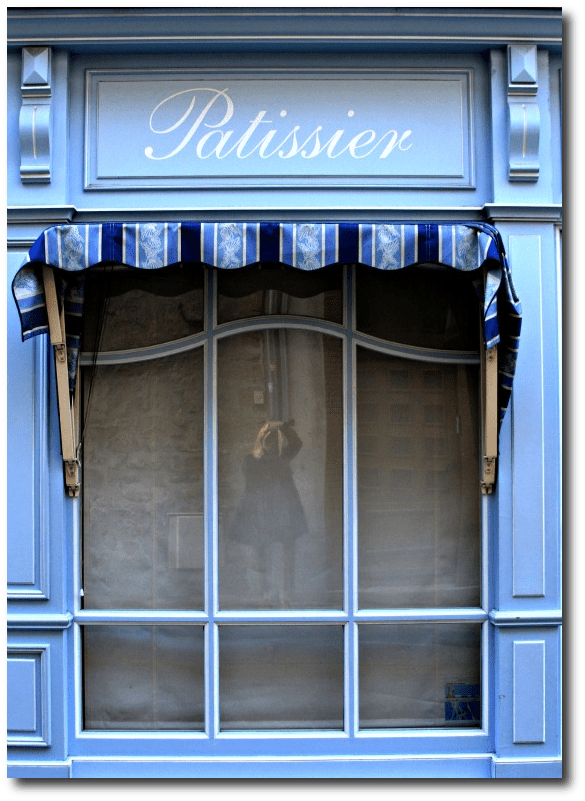
Don’t Blame it on the Brocante- Willows95988.typepad
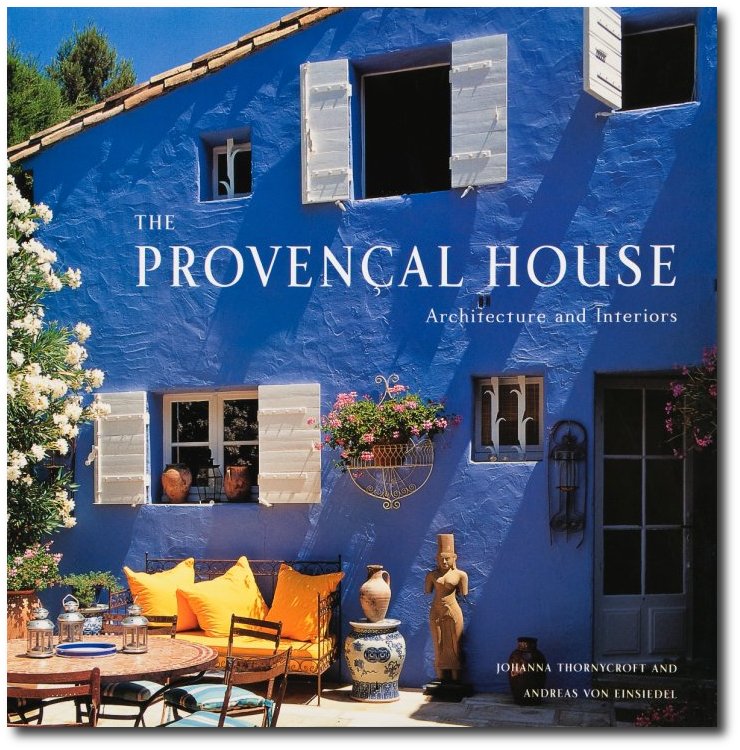
The Provencal House: Architecture and Interiors
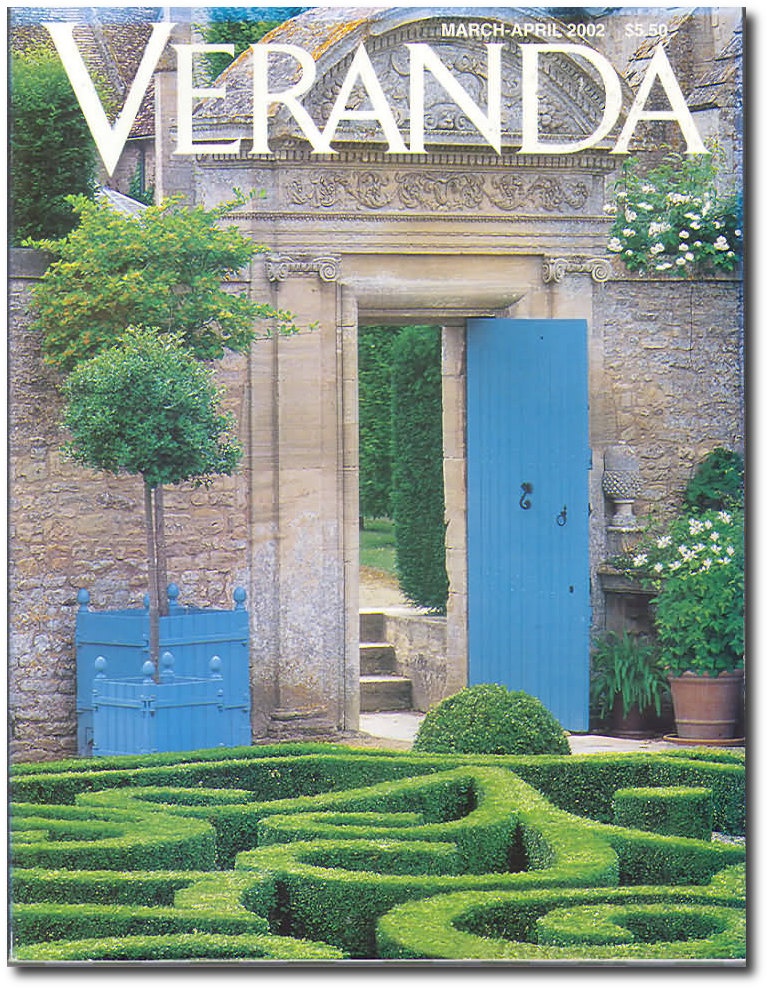
Veranda March April 2002
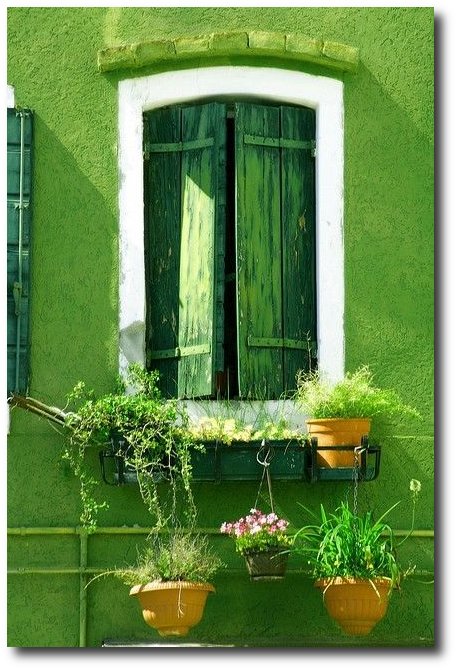
French Outdoor Colors- Found on indulgy.com
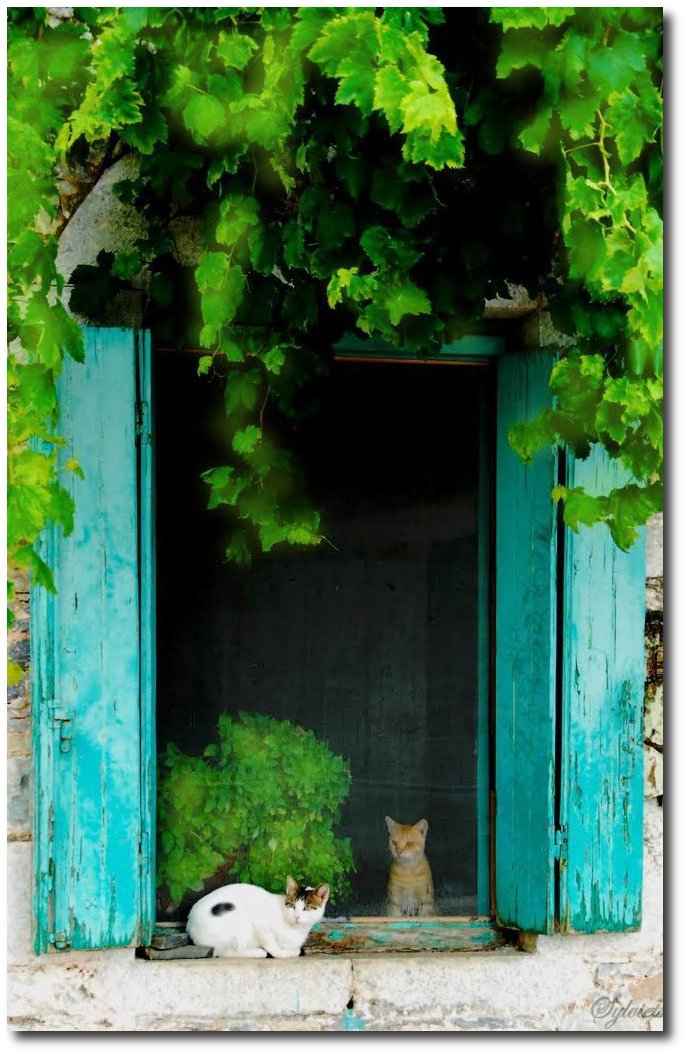
Found on westvianorthsoutheast.tumblr.com
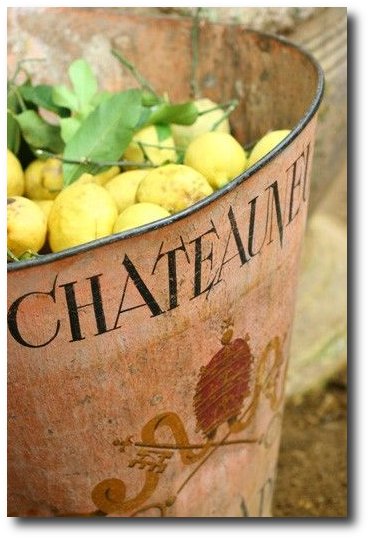
Found on crushculdesac.tumblr.com
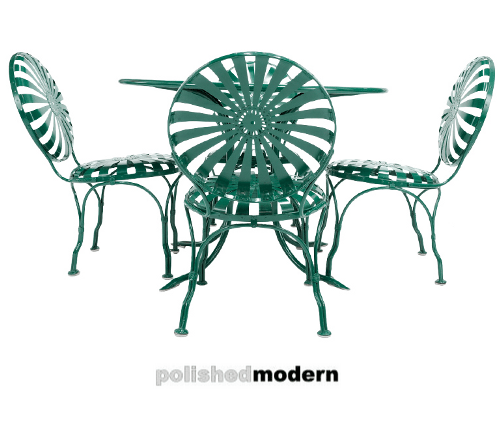
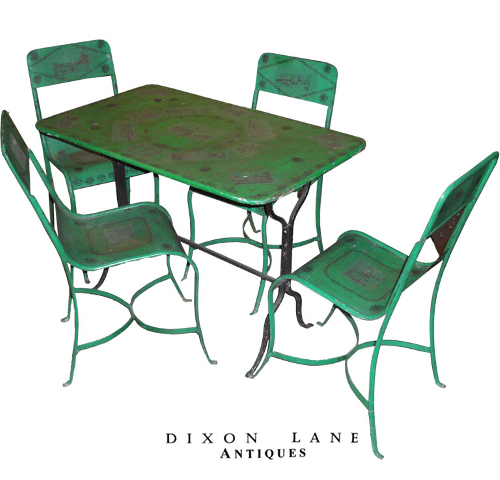
Dixon Lane Antiques – Tarrytown, NY
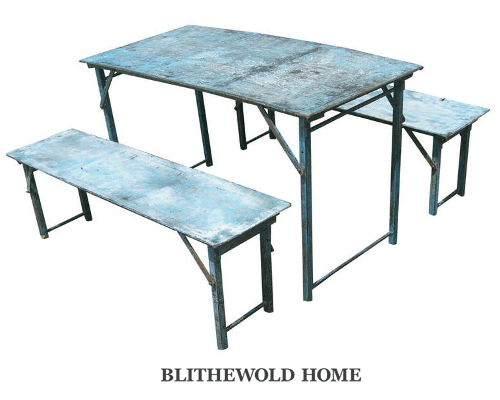
Vintage Painted Metal Outdoor Market Dining Set –Blithewold Home
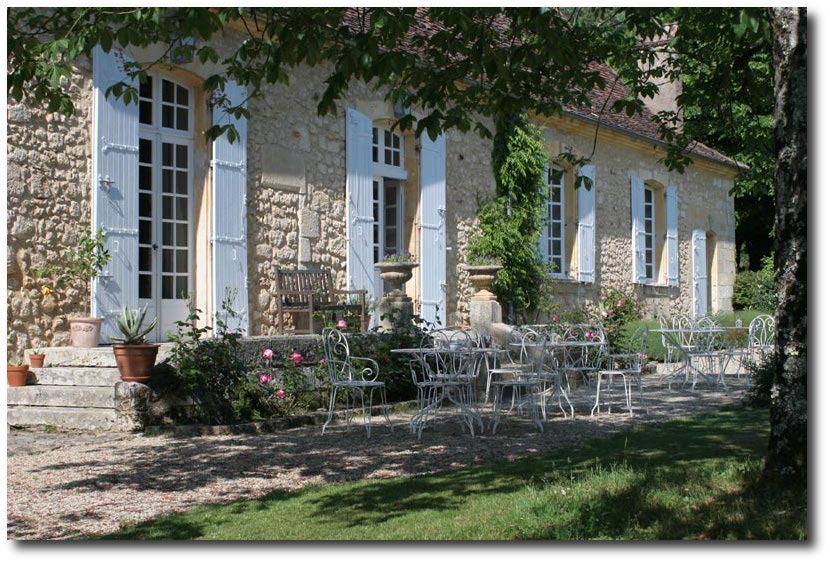
Classic French Interiors – classic-french-chateaux.co.uk/
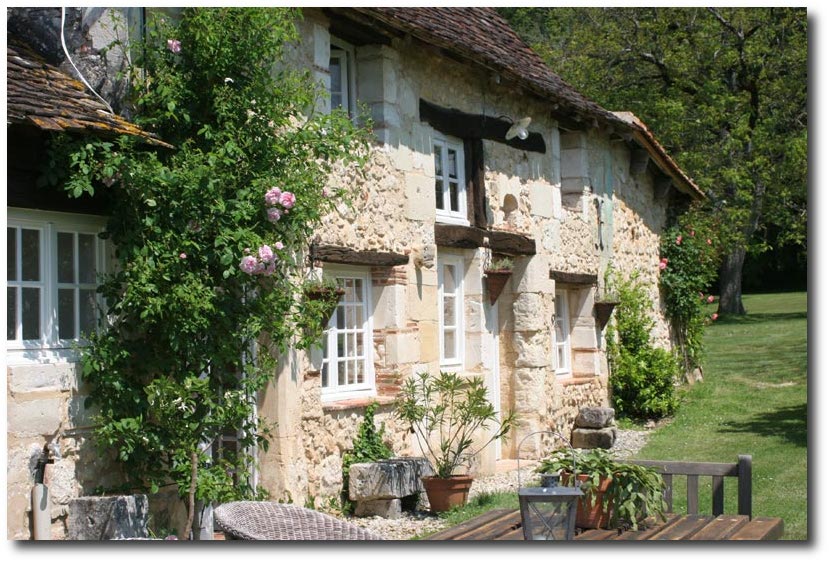
Classic French Interiors – classic-french-chateaux.co.uk/
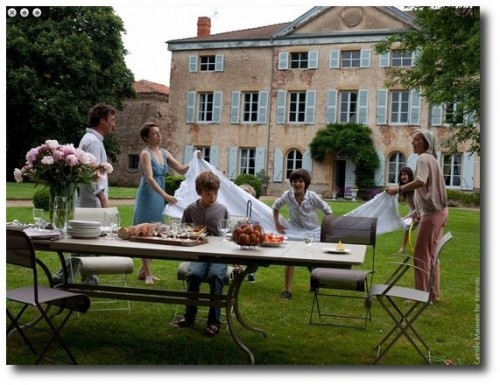
Outdoor Provence Style – Pinterest

French Provence Style Outdoor Furniture- 5thandstate.blogspot.com

French Outdoor Furniture- bing.com
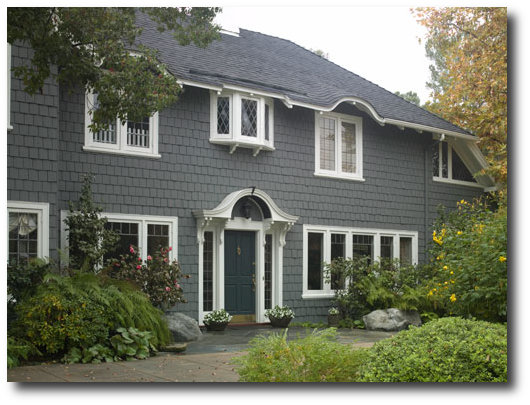

Travel Photography -Beautiful Pink Door Art Buy it At Gypsyfables
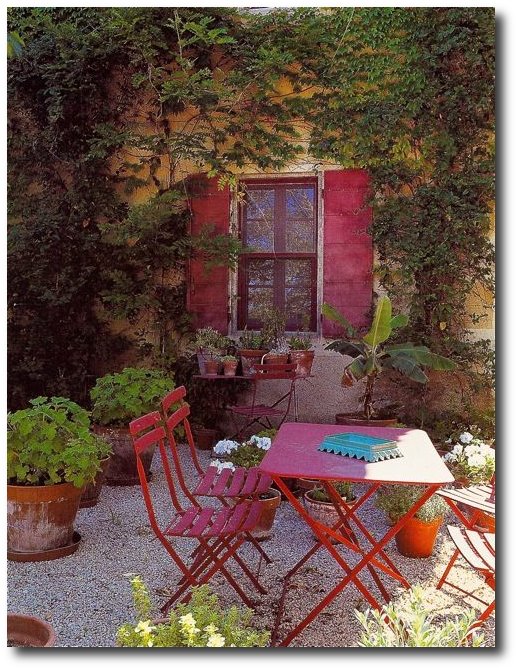
The Garden of Siki de Somalie, Provence, France – Image Country Houses Of France by Barbara & René Stoeltie – Found on thegardenerseden.com

If you want to have a good time with people who are very important to you, in an ideal environment is a good place to start looking for comfortable furniture. Finding the best furniture that suits your outdoor place within your budget is not as challenging as its sounds. Below are some tips to help you get the idea.
1) Select Furniture That Is Practical:
When selecting furniture for your patio, one of the most important things to consider is the comfort. Why spend thousands of dollars on a set that you don’t want to lounge in on your Sundays? Furniture that comes with cushions is ideal for supreme comfort. Most importantly, working with furniture that fits your space. You want look for furniture that is also practical for what you would be doing often. Do you have BBQ’s? A full size dining table with matching chairs would be perfect, rather than a sofa. Rocking chairs also can be a really nice investment if you like to read your morning news outside.
2) Select Furniture You Are Attracted To:
Your outdoor patio furniture should be a reflection of your style. Wooden furniture can always be painted to match the color scheme of your patio or architecture and design of your house. Consider the style of your landscape, and the overall design that you are attracted to.
3. Choose A Great Looking Set Within Your Price Range:
Not everyone has several grand to blow on patio furniture. Although, don’t be under the assumption that there is not great options for a small budget. If you are working within a budget, add to your collection overtime, by adding in complementing pieces such as all wood sets, or all metal sets. This can allow you to update the pieces by buying new cushions, or simply painting your sets.
4. Choose The Materials Best Suited For Your Climate:
There is a wide variety of patio furniture available, which are made of different materials keeping different properties in mind. Here are some materials that you need to consider when buying patio furniture:
a) Wood
If you are looking for durable and maintenance free furniture for your patio than wood might not be the best option. With wood furniture, sealing the wood, or re-painting needs to be done every few years. Wood is one of the supreme choices for patio furniture. It has a very high end appeal, and can look amazing as it ages outside with the elements. Cedar and eucalyptus are the most popular types of woods. Working with the proper paints and wood seals will ensure your wooden pieces last longer.
b) Wrought iron
Wrought iron is most popular material which is used to make outdoor patio furniture. It is also the classic choice of furniture in France. It is the strongest and reliable outdoor furniture material. Metal can be left in the sun, in the rain and in the snow, and it will always weather quite nicely over time. Iron can be painted, but it looks quite terrific in it’s natural state.
c) Aluminum
Aluminum is considered to be reliable and durable because it is rust free. It is also lighter than wrought iron and wood. It is best for low maintenance and you can easily move as it is lighter than wrought iron and wood.
Here are several classy outdoor looks that you can get some ideas from for this spring and summer.
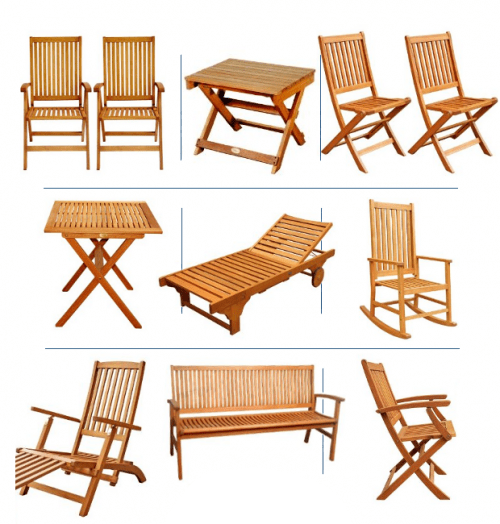
LuuNguyen Co., Ltd company is a leading garden furniture producer in Vietnam. They produce absolutely beautiful garden furniture made from hardwood such as Eucalyptus, Acacia, and Teak. LuuNguyen garden furniture can be found on Amazon.
Here are my favorites:
1. LuuNguyen Reclining Folding Arm Chair Set of 2 $179
2. LuuNguyen Hardwood Folding Side Table $43
3. LuuNguyen Folding Table, 28 by 28 by 30-Inches $99
4. LuuNguyen Folding Chair Set of 2 $99
5. LuuNguyen – Lindy Hardwood Chaise Lounge $149
6. LuuNguyen 7-Piece Dining Set $649
7. LuuNguyen Rocking Chair $99
8. LuuNguyen 7-Piece Extension Expandable Dining Set $800
9. LuuNguyen Four Foot Hardwood Bench $139
10. LuuNguyen 11-Piece Extension Expandable Dining Set $1000
11. LuuNguyen Five Foot Hardwood Bench $139
12. LuuNguyen 5-Piece Conversation Deep Seating Set
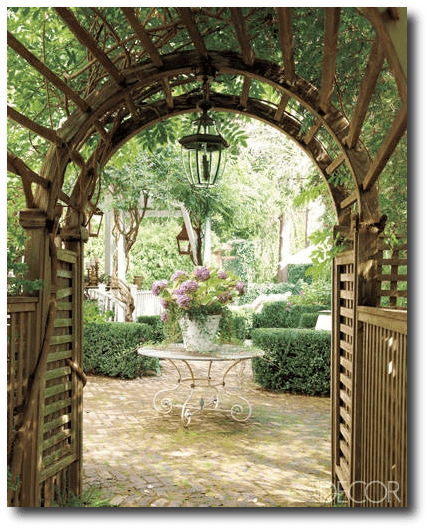
A wisteria-covered trellis on the garden terrace- Elle Decor
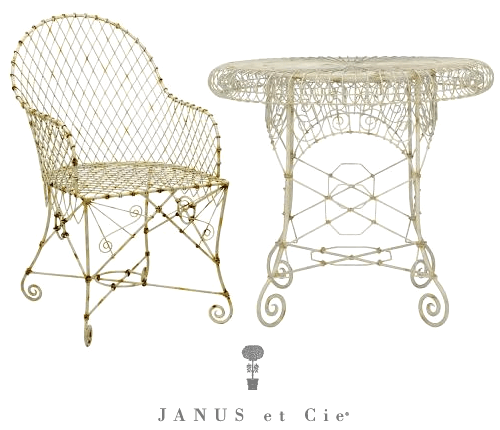
Sonnet Chair and Table From –JANUS et Cie
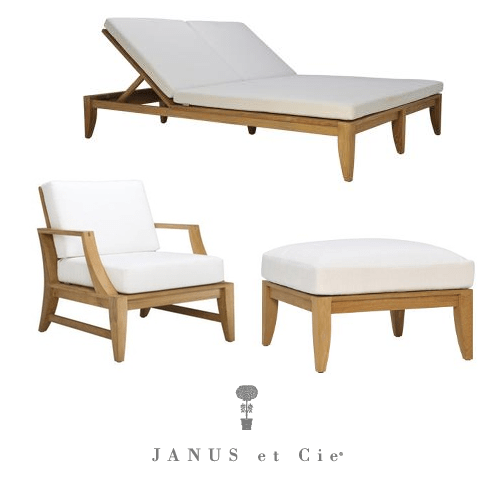
Relais Collection –JANUS et Cie
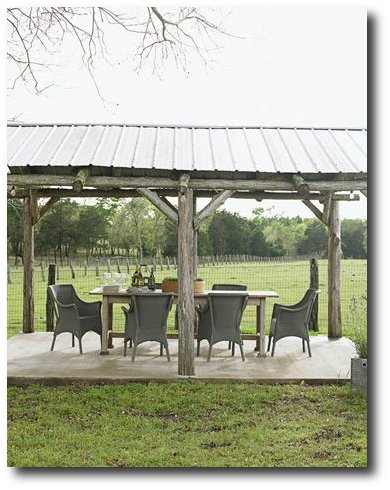
A rustic gazebo is the farm’s only real dining room. Wicker chairs surround an antique pine table that Barber stained gray to blend with the weathered posts. –Visit housebeautiful.com

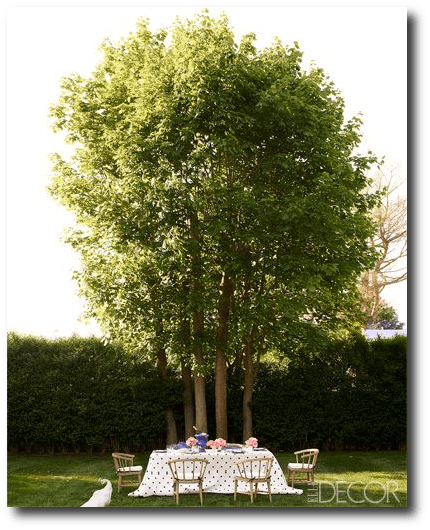
Garden chairs have cushions covered in a Perennials acrylic;
the tableware is by Oscar de la Renta. Visit elledecor.com

Living room terrace of this Hudson River Valley home
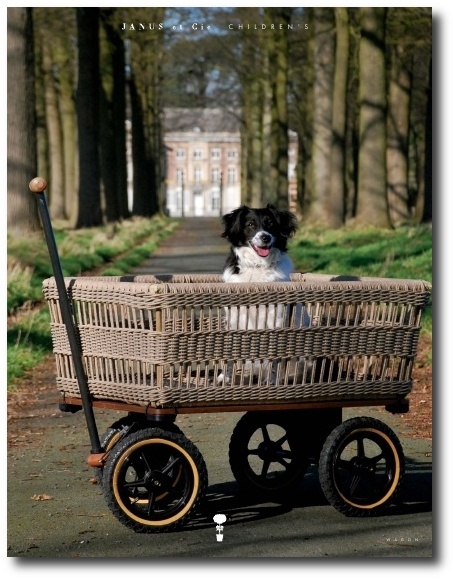
Basket Wagon! by Janus et Cie
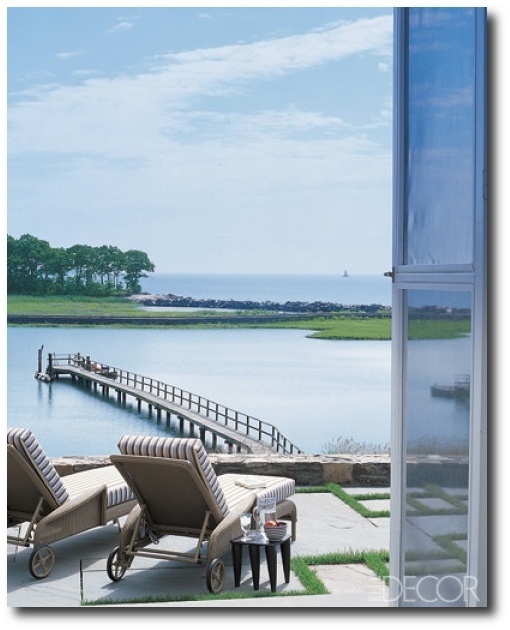
Elle Decor; Deauville chaise longues by Janus et Cie with cushions
covered in SeaCloth’s Chic Stripe acrylic offer a view of the dock from
the back terrace of a Connecticut house. Photographer: Pieter
Estersohn Designer: Lynn Morgan Homeowner: Susan and Chuck Harris
Issue: June 2005
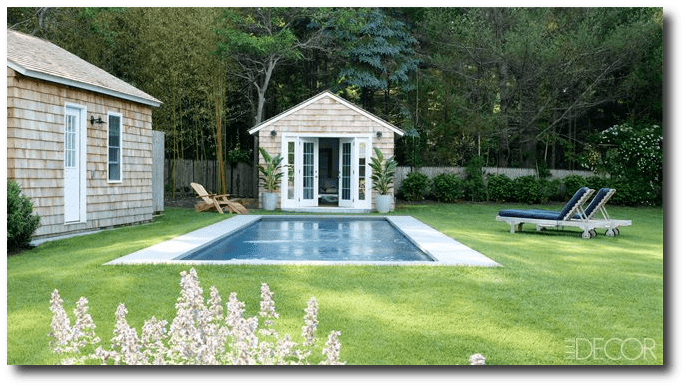
Planters with birds-of-paradise flank the entrance to this poolhouse. Visit elledecor.com
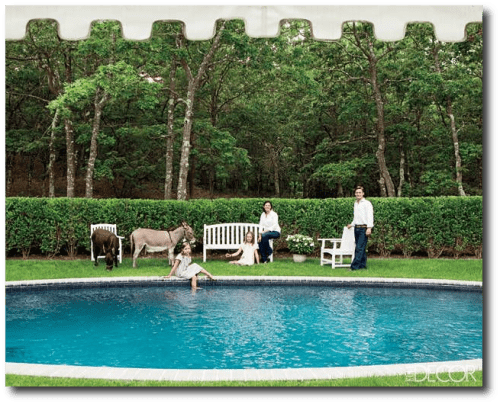
Amy and Todd Hase with their daughters and miniature donkeys Simon (left) and Cowboy

Hidcote Manor Garden – Visit elledecor.com
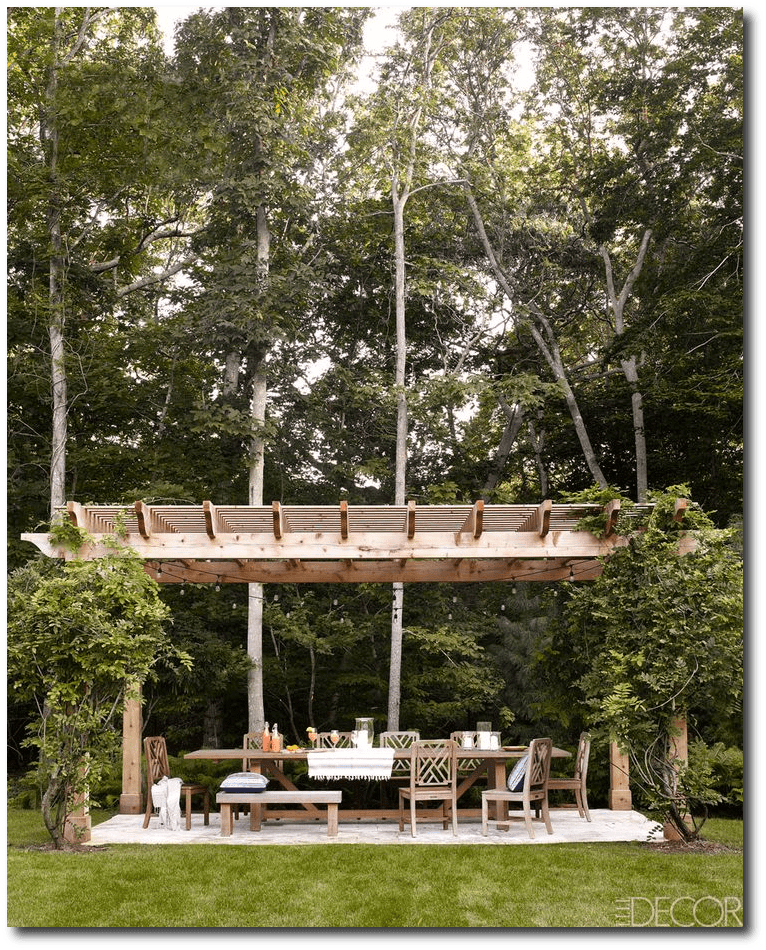
Outdoor Dining – Visit elledecor.com
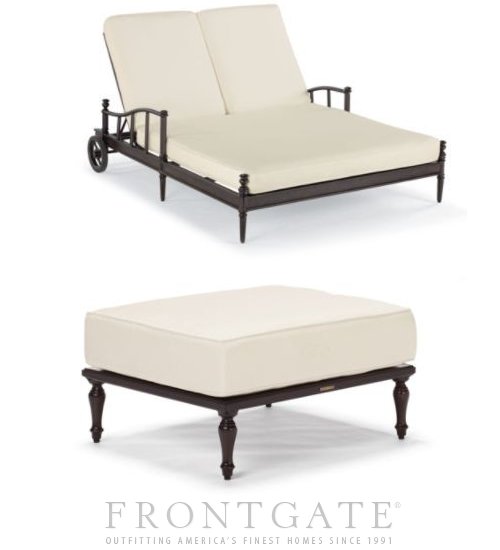
Sorrento Double Chaise Lounge with Cushions,
British Colonial Ottoman with Cushion- Front Gate
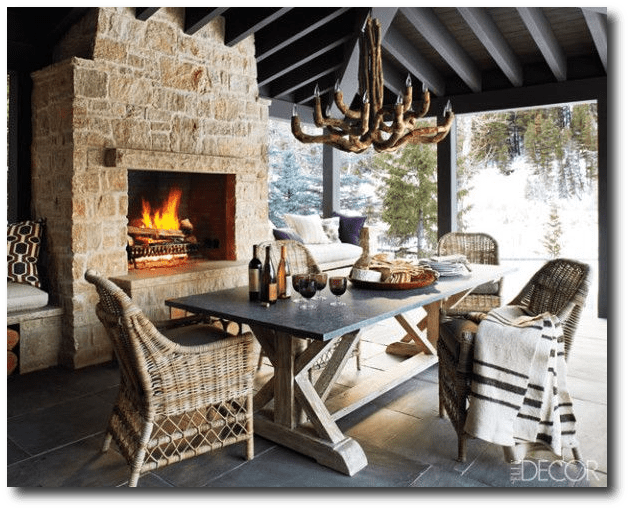
The porch serves as an open-air dining pavilion with views of the Sawtooth Mountains Elle Decor
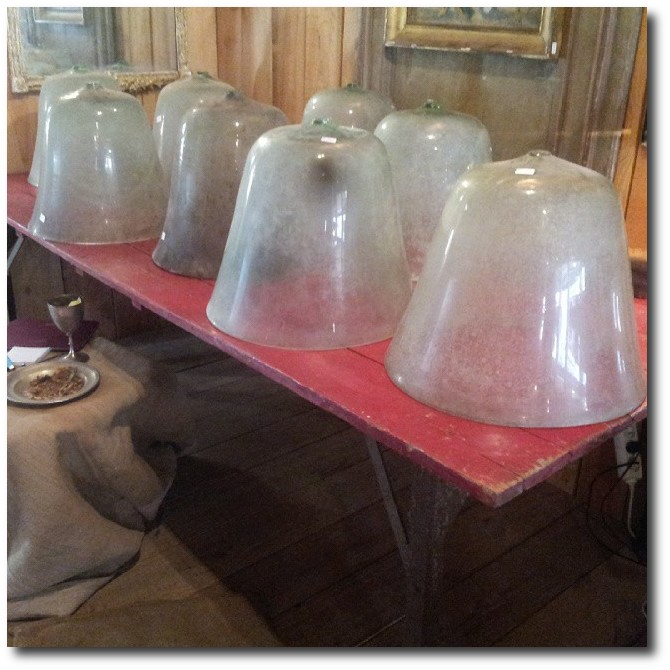

How to Achieve a Great Red Paint Finish
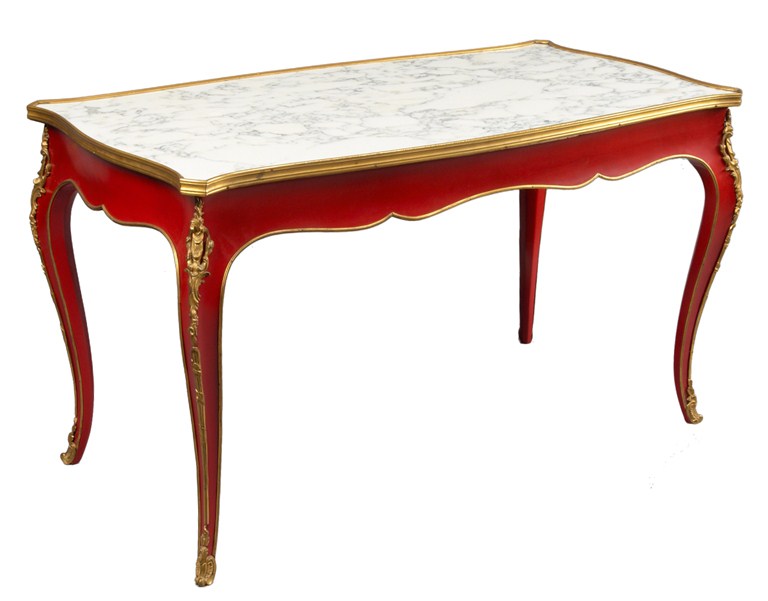
Jansen, 1950’s Louis XV style Coffee Table L’Art De Vivre
How to Achieve a Great Red Paint Finish
A friend of mine painted her living room walls a true red color. She primed twice and painted 5 coats. The paint didn’t cover at all and you could see all the roller strokes. Even with the 5 coats, you can still see some lines and the color is uneven, like you can see where some coats are covered better than others. Is there a certain step she could have taken to prevent all this or did she just get low quality paint? She bought the primer from Canadian Tire and the paint is CIL Dulux. The wall had been painted already, it is an older home. She was originally told that the red she picked was such a true red that it wouldn’t just go over white walls. She is considering priming them over again with a white primer and starting over. Shouldn’t she get a tinted primer? Any insight into all this would be much appreciated. Thanks in advance……. Val
This comment was taken from Allexperts.com
Where most people go wrong with painting red is they end up working with the wrong sheen for their first coat of paint. Working with a gloss or a semi gloss finish is sort of like working with a translucent glaze.
I learned this first hand when I picked up a glossy orange paint at my local Home Depot and proceeded to work with it as a base to a marble finish. I ended up ditching the entire project as after 5 coats of orange, I could still see the original white color underneath the paint. Much like Val’s question all I could see is roller marks.
When working with shades of cranberry, plum, or rich fire reds, buy your paint in a flat finish for your first two coats of paint. Using a coat of flat paint that contains no additional glosses will allow you to build up the color in two or layers with excellent coverage.
How to Achieve a Great Red Painted Furniture Finish.
Furniture is much different than walls, but the same techniques can be applied. Be sure to sand your furniture first which will provide something for the paint to grip on to. You can then use flat red as a base coat, which will allow you to sand through to expose the wood. In the past, if I needed to cover a piece of furniture that needed a heavy duty primer I would use Rustoleum’s Flat Black, or Brown. Red can provide that pop of color in a neutral styled French room. Use it on furniture for that dramatic look in a otherwise plain room.